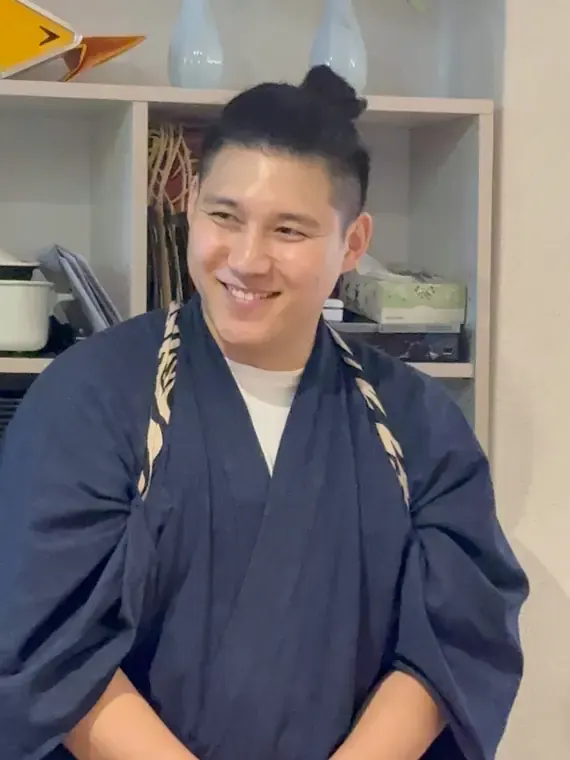
Nigiri vs sashimi: what's the difference, is sashimi sushi, and which should you order in Japan?
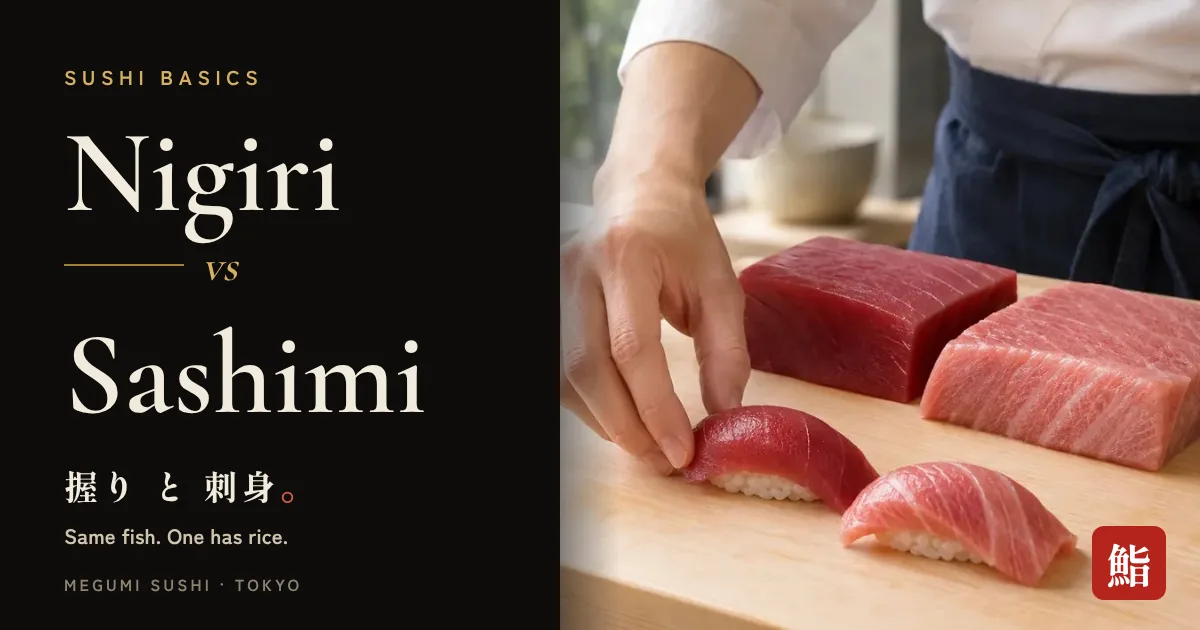
MEGUMI Sushi (東京出張寿司 MEGUMI鮨)
The short answer: nigiri is a slice of topping pressed onto a small mound of vinegared rice. Sashimi is sliced raw fish or seafood served on its own, with no rice. That rice is the whole story: in Japan, "sushi" means dishes made with vinegared rice, so nigiri is sushi and sashimi, strictly speaking, is not.
Most guides stop there. Below, you'll see the two side by side, why the same tuna is cut differently for each, how to eat each one without second-guessing yourself, and which to order depending on how hungry you are, what you're drinking and how you feel about raw fish.
Is sashimi sushi? Is nigiri sushi?
Nigiri is sushi. Sashimi isn't, if you go by how the word is used in Japan. "Sushi" (寿司) refers to dishes made with sumeshi, rice seasoned with vinegar, salt and usually sugar. The topping doesn't have to be raw, and it doesn't even have to be fish. A cucumber roll is sushi. A slice of raw tuna on its own is not.
This is why a menu in Japan lists sashimi separately, and why a sushi restaurant can serve both: one is a rice dish, the other is a way of serving fish.
酢飯Vinegared rice (sumeshi)If it's there, it's sushi
- Nigiri握りtopping pressed on rice
- Maki巻きrolled in nori
- Gunkan軍艦nori wall, soft topping
- Temaki手巻きhand roll, cone
- Chirashiちらしtoppings over a bowl
- Inariいなりrice in fried tofu
- Oshizushi押しpressed in a box
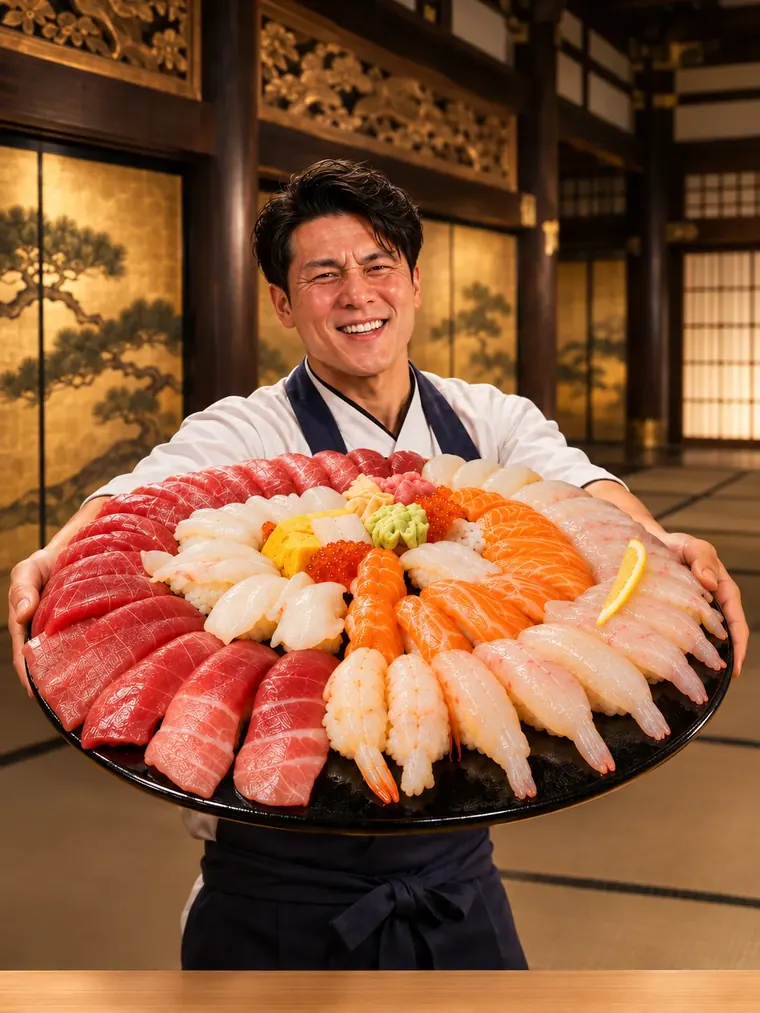
Sashimi刺身No rice, so not sushi. Its own dish, often served with drinks.
Is nigiri just sashimi on rice?
It's a fair question, and it comes up on sushi forums all the time. Often the fish is the same, sometimes from the same block. What changes is how it's cut and finished, because a slice on rice has a different job from a slice on a plate.
For nigiri
- Cut as a thinner, wider slice that drapes over the rice and balances it in one bite.
- Many toppings are "finished" before they meet the rice: brushed with nikiri (a soy-based glaze), seared, cured, marinated or simmered. This is the work Tokyo-style edomae sushi is known for.
- Because of that glaze, the chef may hand you a piece that needs no soy sauce at all.
For sashimi
- Often cut thicker, so you taste the texture of the fish itself.
- Different cuts suit different fish: firmer white fish may be sliced thin, tuna is often served in thicker rectangles.
- You season it yourself with wasabi and soy sauce, and eat it with garnishes on the plate.
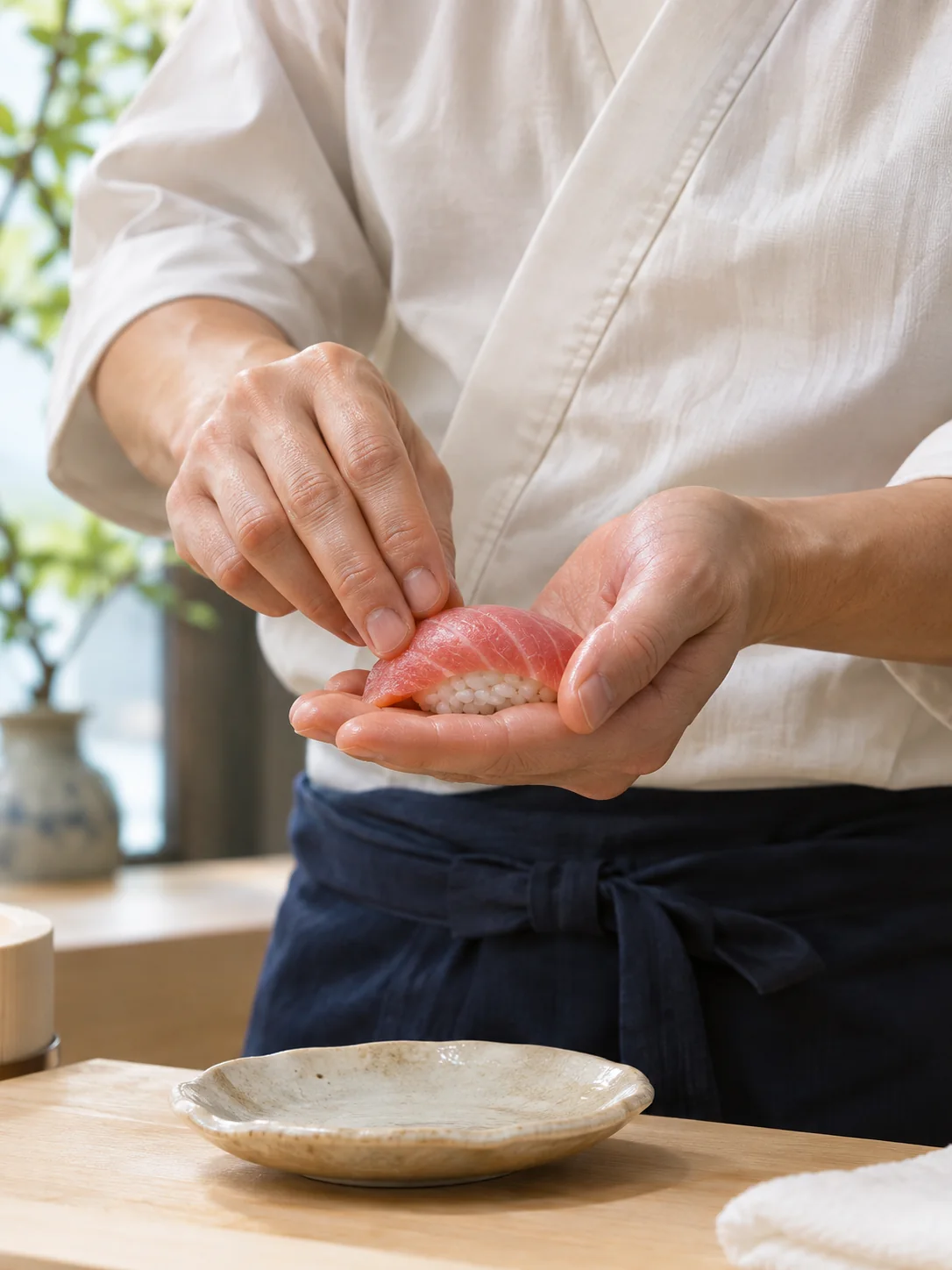
How do you eat nigiri and sashimi?
Neither has strict rules, and nobody at a sushi counter will expect a visitor to get everything right. These habits simply make each one taste the way it's meant to.
Nigiri
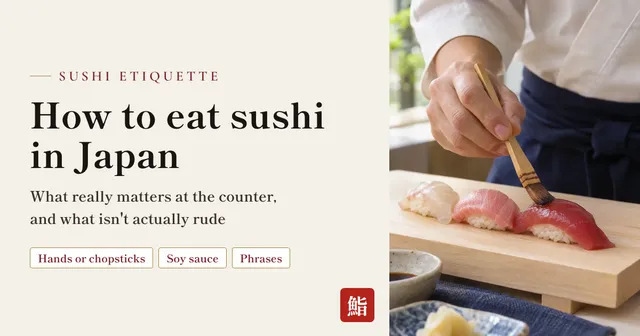
- Use your fingers or chopsticks. Both are normal at sushi counters.
- If you want soy sauce, tip the piece so the fish side touches it, not the rice. Rice soaks up soy and can fall apart.
- Eat it in one bite if you can. That's how the chef sizes it.
- If the chef has already brushed on glaze or added salt, skip the soy sauce.
Sashimi
- Use chopsticks; sashimi isn't eaten with your hands.
- Put a little wasabi on the slice itself, then dip a corner in soy sauce.
- The shiso leaf and shredded radish (tsuma) are edible, and many people eat them between slices.
- Take slices from the side of the plate nearest you, rather than digging through the arrangement.
Mixing wasabi into the soy dish is common outside Japan, and you'll see some people in Japan do it too. It isn't a serious mistake, but putting wasabi on the fish keeps the soy sauce clear and the wasabi aroma fresher. For chopsticks, tipping and what isn't actually rude, see our guide to sushi etiquette in Japan.
Which should you order?
It depends less on which is "better" and more on the evening you're having. A rough guide:
You're hungry and want a full meal
NigiriThe rice makes it filling, and a set of nigiri is a complete meal.
You're drinking sake or beer
Sashimi firstIn Japan, sashimi is a classic thing to have with a drink. Many people start with a small plate, then move on to nigiri.
You want to taste the fish itself
SashimiThicker slices, nothing in between.
You want to see what a sushi chef does
NigiriThe balance of rice, topping and seasoning is the chef's craft.
You're unsure about raw fish
Nigiri, cooked toppingsAsk for tamago (sweet omelette), boiled shrimp (ebi), simmered eel (anago or unagi) or seared toppings.
You're cutting back on rice
SashimiOr ask whether the chef can make smaller rice portions on nigiri.
Allergies and raw fish: if you have a food allergy, are pregnant, or have any health concern about raw seafood, check with your doctor before the trip and tell the restaurant or chef in advance.
Words to use when ordering
刺身の盛り合わせsashimi no moriawasean assorted sashimi plate
握りnigirinigiri; a "nigiri set" is often called 握りの盛り合わせ or a 〇人前 (servings)
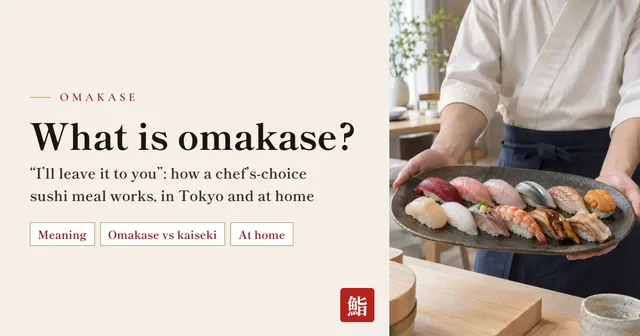
おまかせomakasethe chef's choice; see what omakase means
シャリ少なめshari sukunameless rice, please
わさび抜きwasabi nukino wasabi, often asked for children
おつまみotsumamismall dishes to go with drinks, where sashimi usually appears
Nigiri made in front of you, at your place in Tokyo
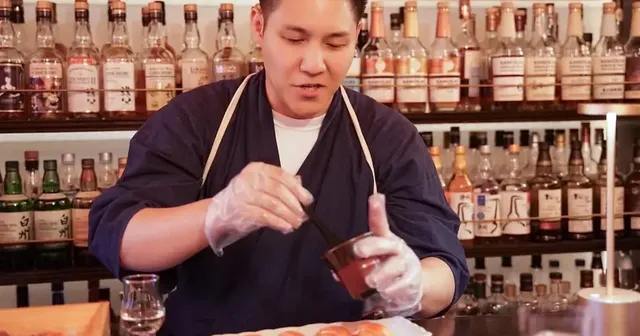
Nigiri is at its best the moment it's made, which is why people line up for sushi counters. If you'd rather not chase a reservation, MEGUMI Sushi runs a different option: our chef comes to your home, rental apartment or office in Tokyo's 23 wards and makes nigiri one piece at a time at your table.
- What each guest gets: 10 chef's-choice pieces plus ara-jiru (fish-bone soup) or akadashi (red miso soup). Toppings change with the market; examples are on our English page.
- Price for visitors from overseas: $100 per guest, all included (chef's visit, ingredients and transport within the 23 wards), paid in cash in Japanese yen on the day.
- Time: about 1.5 hours from arrival to clean-up. You provide a table, running water and drinks such as tea.
- Dietary needs: tell us before booking, and we'll tell you whether we can adjust.
To ask, send the date, number of guests and area on LINE; asking doesn't confirm a booking. You can also pick a slot on the booking calendar (Japanese) and write "Overseas guest" in the ご要望 (requests) box. The Japanese details are on our 東京の出張寿司 page, and the typical toppings are on the menu page (Japanese).
Fresh nigiri at your own table in Tokyo
MEGUMI Sushi's chef comes to you and makes each piece in front of you.
- $100 per guest, all included
- Each guest: 10 chef's-choice pieces + soup
- From 1 guest, Tokyo 23 wards
- Pay in cash, in Japanese yen, on the day